Categories
Procedure

 USA
USA

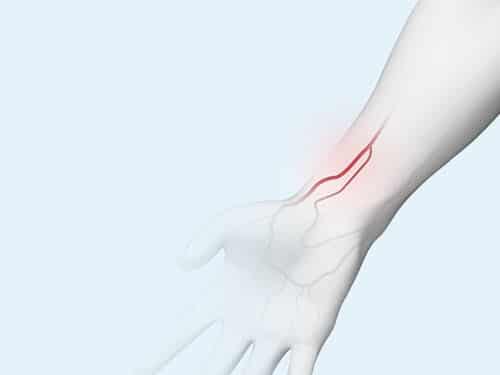
Distal radial artery access offers both patient and operator advantages. To help bring these benefits to your practice, we provide advanced training on the distal technique as well as innovative products to support your procedures, such as the first-to-market PreludeSYNC DISTAL™ Radial Compression Device.
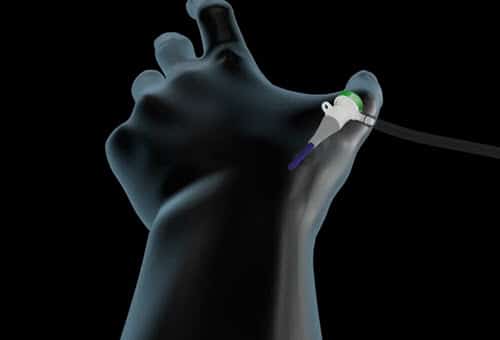
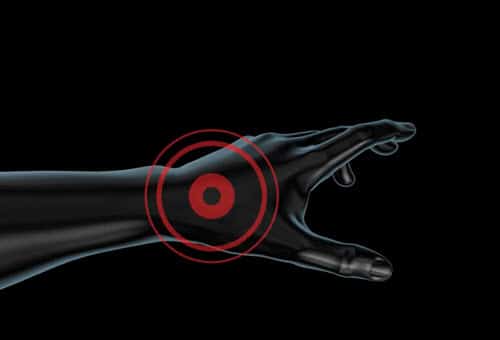


Distal radial access (DRA) has emerged as a valuable technique in various interventional procedures, offering benefits that enhance both patient outcomes and procedural efficiency. In coronary interventions, such as percutaneous coronary intervention (PCI), DRA provides a lower risk of radial artery occlusion and access site complications compared to traditional proximal radial access. This approach also facilitates quicker hemostasis and improved patient comfort, contributing to shorter hospital stays and faster recovery times.
Beyond cardiac applications, DRA has been successfully utilized in peripheral vascular interventions, including procedures for arteriovenous fistula maintenance in dialysis patients, where it offers a safe and effective alternative to more invasive access sites. The anatomical location of the distal radial artery in the anatomical snuffbox allows for easier patient positioning and greater operator ergonomics, which can be particularly advantageous during complex or prolonged procedures. Overall, the adoption of DRA across various specialties underscores its versatility and the growing recognition of its clinical benefits.

 CoronaryArteriovenousFistulaMaintenance
Receive training on the distal radial approach by registering for our Think Radial physician education program. Participate in a hands-on cadaver lab and state-of-the-art simulation training with taped or live cases and listen to engaging didactic presentations delivered by some of the world’s most respected radial faculty.
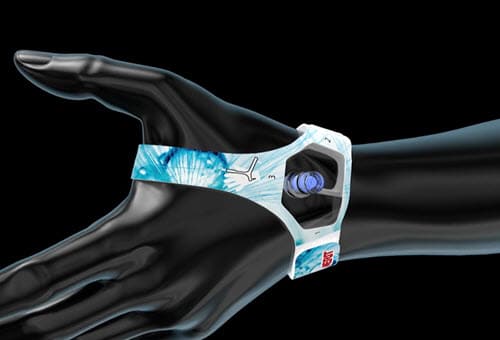
The first radial compression device specifically created for the distal radial access site.
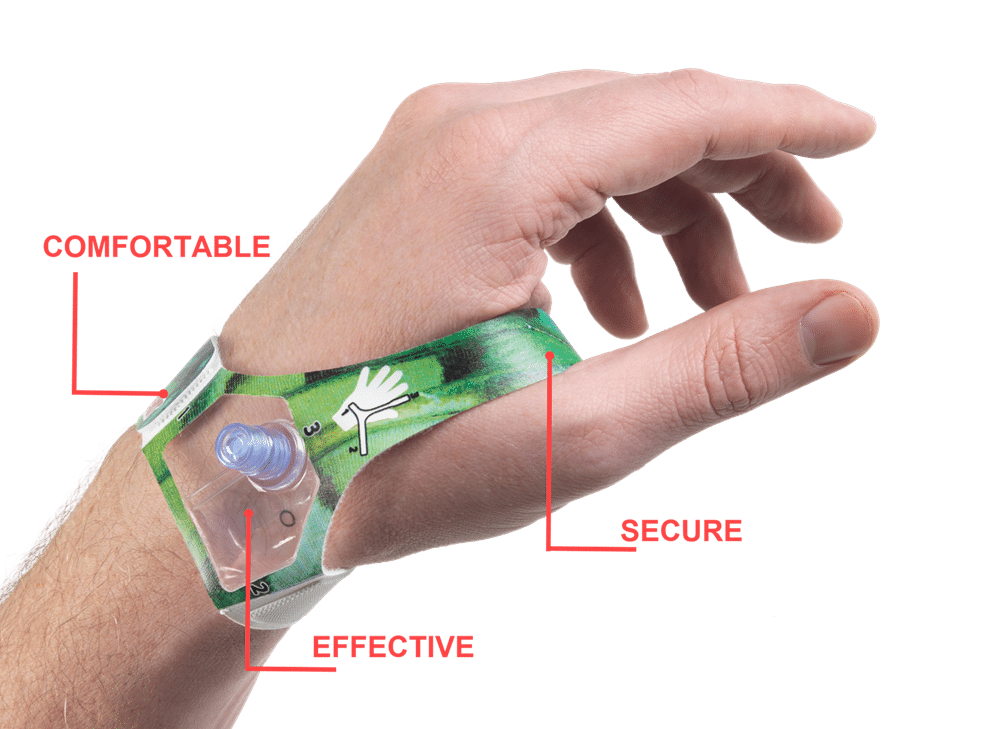
COMFORTABLE
Unique band configuration is soft, comfortable, and adjustable for larger hands.
SECURE
Three-strap band stays securely in place and is specially designed for distal radial artery access.
EFFECTIVE
Provides clear, unobstructed site visibility and focused compression.
Stay informed with the latest clinical data, peer-reviewed studies and expert insights that demonsttrate the benefits of distal radial access across multiple procedural applications.
– Enrique Flores, MD, FACC, RPVI—Diagnostic and Interventional Cardiology
– Ferdinand Kiemeneij, MD, PhD—EuroIntervention
“Snuffbox” Distal Radial Access
– Uei Pua, MBBS, MMed, FRCR, FAMS; and Lawrence Han Hwee Quek, BMBS, FRCR, MMed, FRANZCR, FAMS—Journal of Vascular and Interventional Radiology
– Orazio Valsecchi, MD, et al.—The Journal of Invasive Cardiology
– Enrique Flores, MD, FACC, RPVI—Cath Lab Digest


